SEO 2026: How to Rank on Google (AEO + AI SEO Strategy)
Search is no longer just Google and blue links. In 2026, your rankings depend on how well your content answers questions quickly, supports AI systems, and establishes authority. If you’re still using old-school SEO with keyword stuffing and a backlinks-only approach, you’re already falling behind.
This is the real playbook.
1. SEO Has Shifted, From Search Engine to Answer Engine
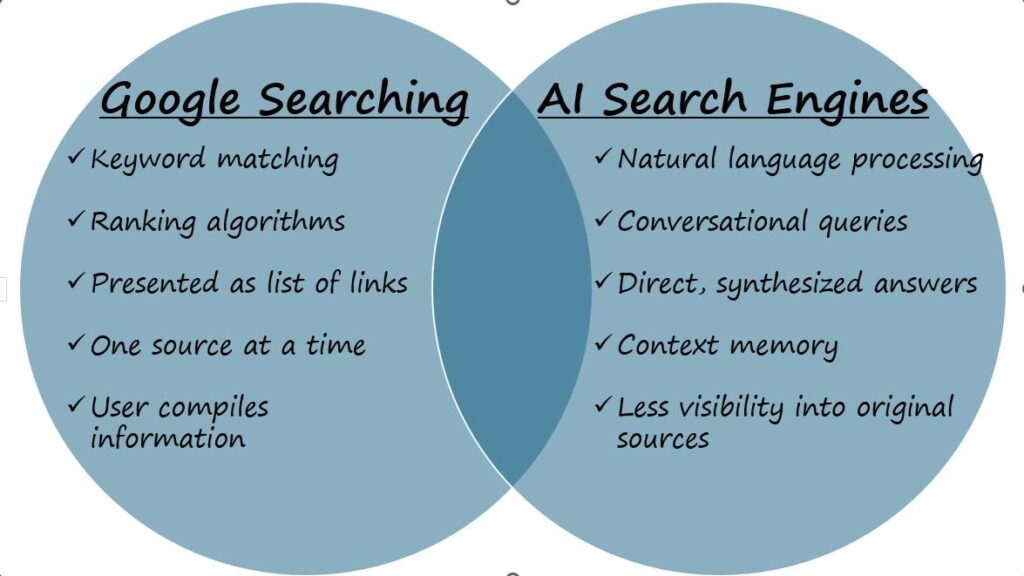
Google is no longer just a search engine. With AI overviews and conversational results, it acts more like an answer engine.
This change is called Answer Engine Optimization (AEO).
What changed:
Users don’t click multiple links anymore.
Google shows summarized answers directly.
AI tools like chatbots pull data from websites.
What this means for you:
If your content isn’t structured to provide a direct answer, you won’t get visibility even if you rank.
2. AEO (Answer Engine Optimization): The New Core
AEO focuses on making your content the best possible direct answer to a query.
How to do it:
1. Write for questions, not just keywords
Bad: “Digital Marketing Services”
Good: “How to Get Clients Using Digital Marketing?”
2. Use clear answer blocks
The first 2–3 lines should directly answer the query.
No fluff, no storytelling at the top.
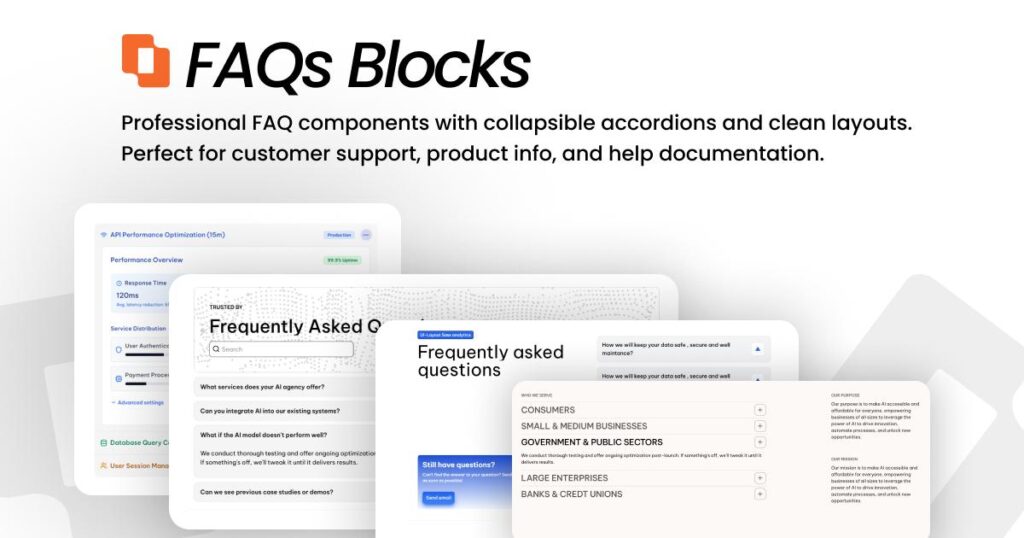
3. Add FAQ sections
Use real user queries.
Keep answers short and precise.
4. Use structured formatting
Bullet points,
Tables,
Step-by-step guides.
Reality check:
If your content can’t be copy-pasted as an answer, AI won’t pick it.
3. AI SEO: How AI Chooses Content
AI doesn’t rank like traditional Google bots do. It selects and summarizes.
Here’s what AI looks for:
1. Topical Authority
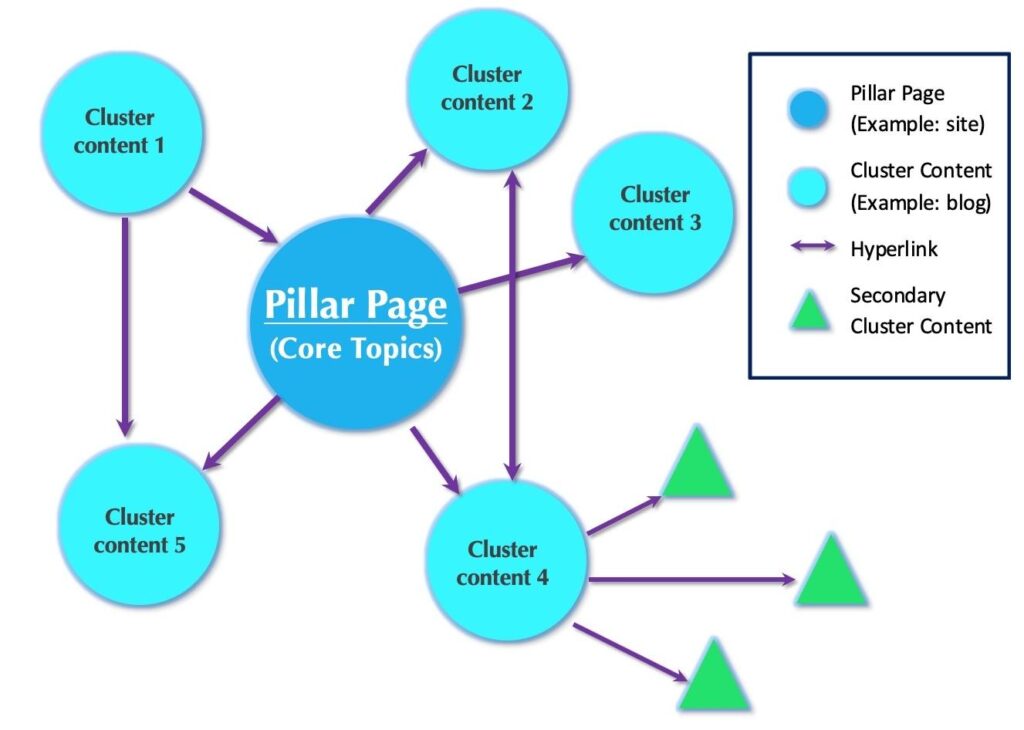
- One article = weak
- 10–20 interconnected articles = authority
Example:
If you write about SEO:
- SEO basics
- Local SEO
- Technical SEO
- AI SEO
Now you’re a source, not a random blog.
2. Context > Keywords
Old SEO:
- Repeat keyword 10 times
New SEO:
- Cover the topic deeply
Example:
Instead of repeating “SEO 2026,” include:
- AI search
- Google SGE
- AEO
- Content structure
This builds semantic relevance.
3. Trust Signals (E-E-A-T)
Google still cares about:
- Experience
- Expertise
- Authority
- Trust
How to show it:
- Real examples
- Case studies
- Personal insights
- Author profile
No fake authority → no ranking.
4. Content Strategy That Actually Works in 2026
Forget random blogging. Use a cluster strategy.
Step-by-step:
Step 1: Pick a niche.
Example: Digital marketing for small businesses.
Step 2: Create pillar content.
“Complete Guide to Digital Marketing 2026.”
Step 3: Create supporting blogs.
SEO guide,
Local SEO,
Freelancing,
AI tools.
Step 4: Interlink everything.
Every blog links to others.
This tells Google, “This site owns this topic.
5. On-Page SEO Still Matters, But Differently
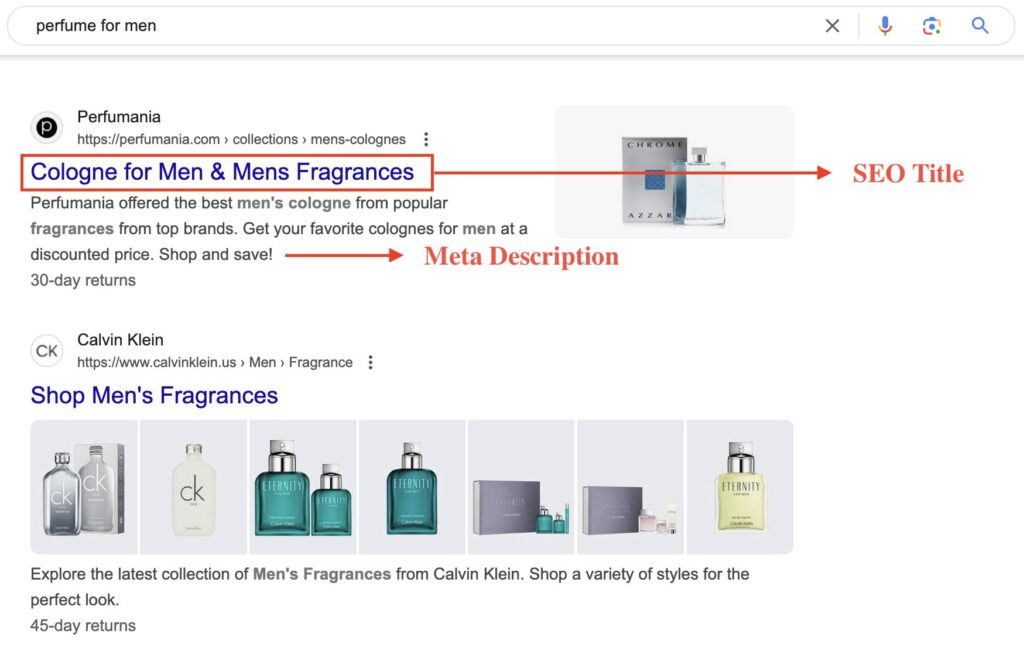
On-page SEO is not dead; it’s simply evolved.
Focus on:
1. Title & Meta (CTR game)
Make it clickable, not just keyword-rich.
Example:
Bad: “SEO Guide 2026.”
Good: “SEO 2026: How to Rank Fast Using AI + AEO.
2. Heading Structure
H1 = main topic,
H2 = subtopics,
H3 = breakdown.
AI reads structure, not just words.
3. Internal Linking
Link relevant blogs.
This keeps users engaged.
It builds authority.
4. Page Speed and UX
A slow site means no ranking.
Mobile-first is mandatory.
6. Backlinks: Still Important, But Not Enough
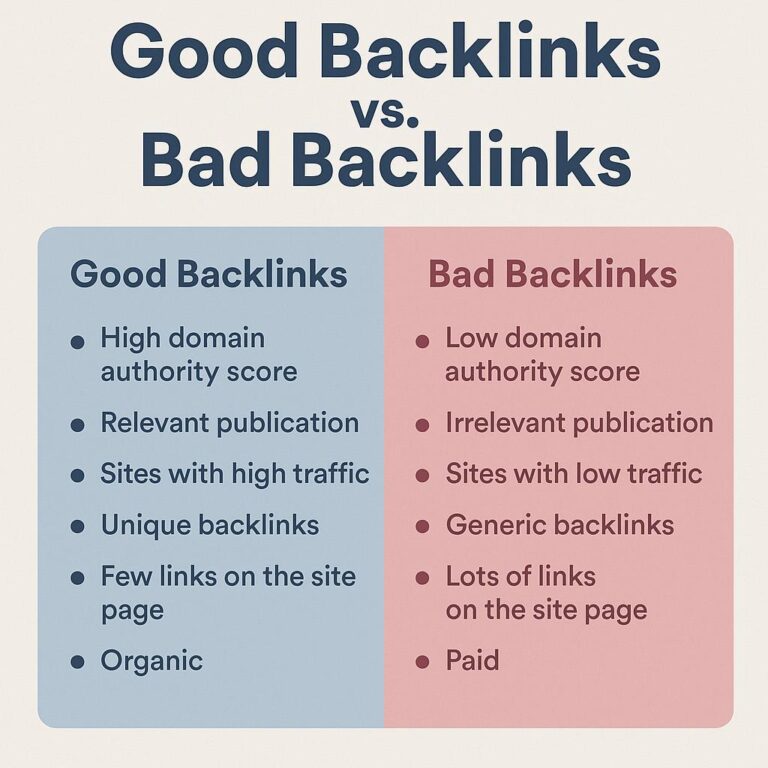
Backlinks are no longer the main ranking factor; they support your content.
What works now:
Relevant backlinks from the same niche,
Brand mentions,
Organic links from quality content.
What doesn’t work:
Spammy links,
Fiverr backlink gigs,
Quantity over quality.
Brutal truth:
If your content is weak, backlinks won’t save it.
7. Local SEO Equals Easy Wins IF Done Right
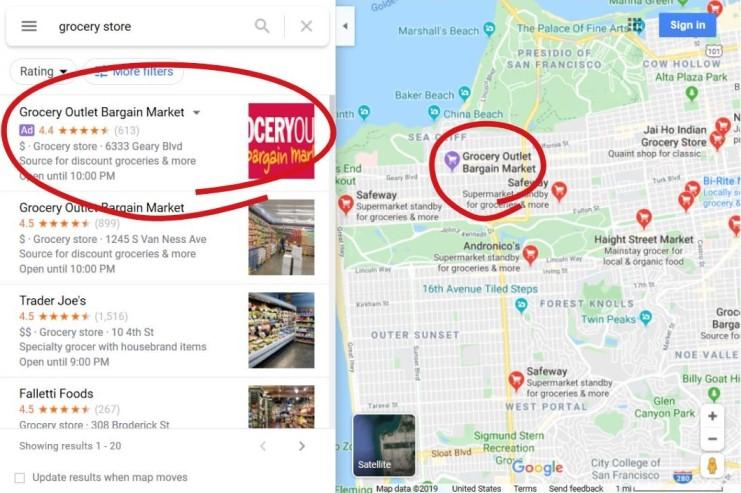
If you’re targeting businesses like yours, local SEO is valuable.
Do this:
Optimize your Google Business Profile.
Use location keywords (e.g., “Digital Marketing Agency in Agra”).
Collect genuine reviews.
Add local schema.
Local queries still drive high-converting traffic.
8. Content That Ranks Equals Content That Solves
Google doesn’t reward long content; it rewards useful content.
Winning formula:
Clear problem,
Direct solution,
Actionable steps.
Example:
Bad:
“SEO is important in today’s world…”
Good:
“To rank in 2026, structure your content in answer blocks, build topical authority, and optimize for AI extraction.”
9. Biggest Mistakes Killing Rankings
Stop doing this immediately:
Writing generic content,
Ignoring search intent,
No internal linking,
Overusing AI without editing,
Focusing only on keywords.
These habits don’t just slow growth—they kill it.
10. Final Strategy (No Fluff)
If you want rankings in 2026, follow this:
Build topic authority, not random blogs.
Optimize for AEO with answer-first content.
Use AI as a tool, not as a replacement.
Focus on user intent.
Improve UX and speed.
Stay consistent.
Bottom Line
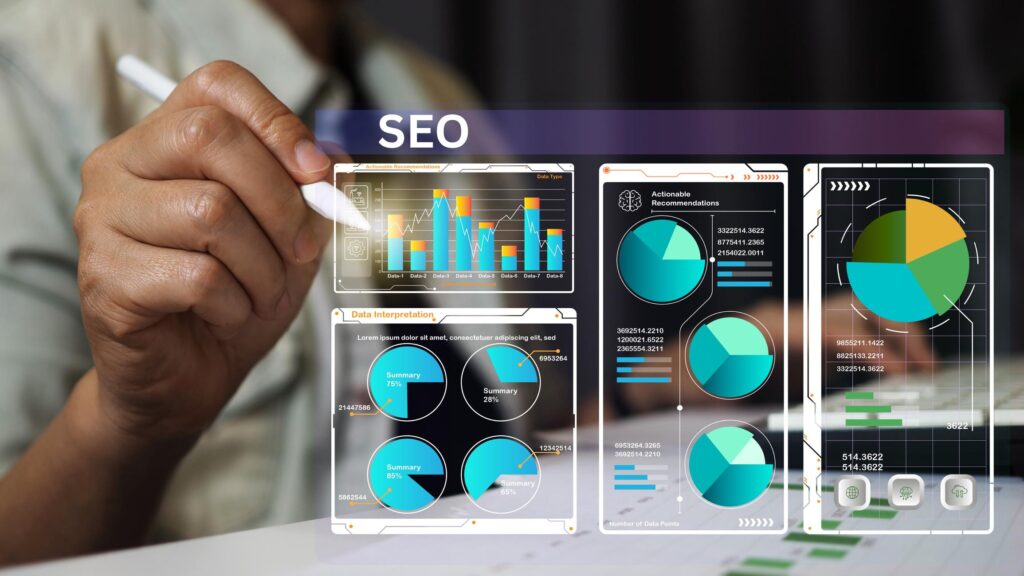
SEO in 2026 is not about beating algorithms; it’s about being the best answer online.
If your content solves real problems, is structured for AI, and builds authority over time, you will rank.
If not, you’ll remain invisible no matter how many blogs you publish.